
The Betty Crocker Effect: How Consumer Research Saved a “Too Perfect” Product

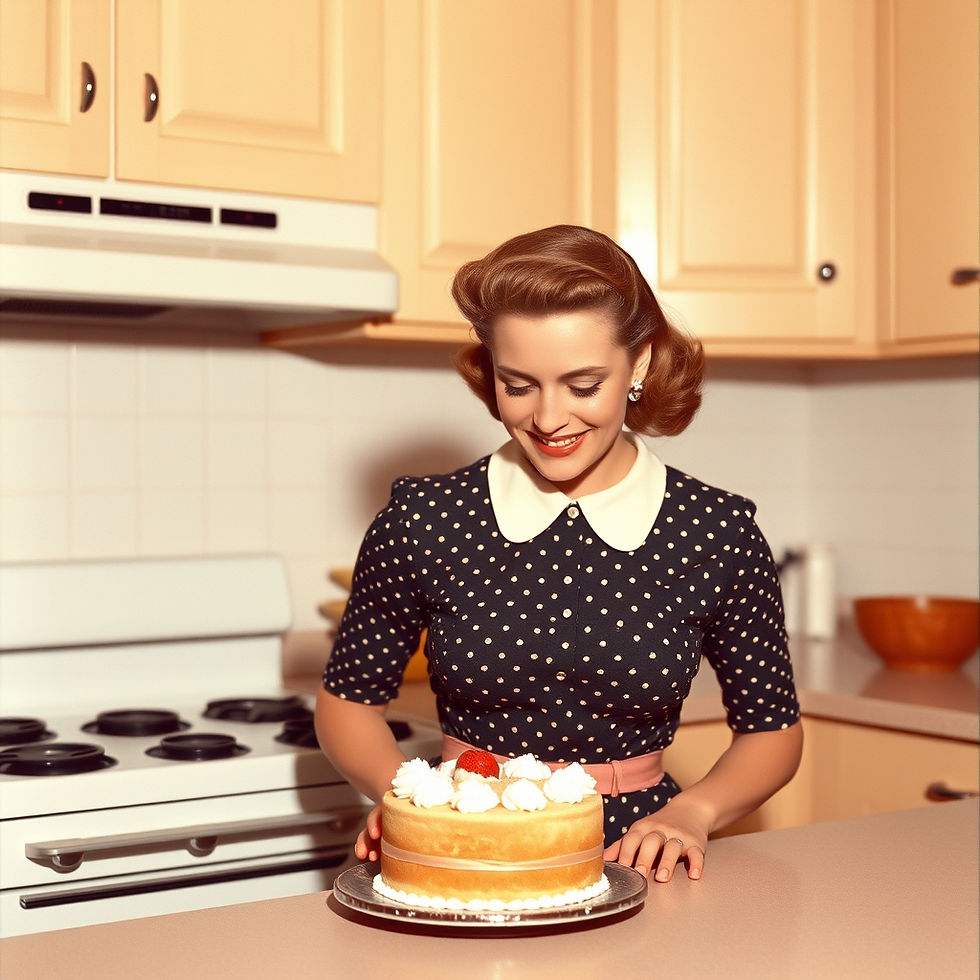
In modern marketing, convenience is treated as the ultimate holy grail. We are constantly obsessed with removing friction—reducing clicks, automating processes, and delivering instant gratification. But what if making your product too perfect is actually killing your sales?
To understand why friction can sometimes be your greatest strategic asset, we looked back at one of the most famous and surprising consumer research cases: the 1950s story of Betty Crocker cake mixes.
The Problem: The Too Easy Failure
In the early 1950s, the General Mills food engineers achieved what they thought was a commercial miracle. Under the Betty Crocker brand, they launched an "instant" cake mix. The powder already contained everything: flour, sugar, shortening, and even dried eggs. All the consumer had to do was add water, stir, and bake.
Logically, it should have been an overnight sensation. It saved hours of preparation, eliminated the mess of scratch baking, and guaranteed a perfectly consistent, delicious result every time. Yet, despite massive advertising and obvious functional value, sales stagnated.
The Surprising Insight: The Guilt of the Egg
Confused by stagnant sales, General Mills brought in Ernest Dichter, a psychologist and marketing pioneer widely regarded as the father of motivational research. Instead of looking at surface-level complaints, Dichter conducted depth interviews and focus groups to unearth the unconscious emotional drivers of the consumer. His core insight was deeply counterintuitive: The mix was simply too easy.
While competitors noticed fresh eggs made cakes taste better, Dichter found the psychological truth: 1950s bakers felt a profound sense of guilt. Because they only had to add water, they felt they weren't really baking or genuinely providing for their families. The act of baking was tied to their identity and seen as a labor of love; the effortless instant mix made them feel like lazy frauds.
The Strategic Pivot: Adding Complexity
Instead of trying to make the product even more convenient or lowering the price, General Mills reformulated the mix by removing the dried eggs. They updated the packaging instructions to require the baker to crack and add two fresh eggs themselves. Suddenly, the product required effort, care, and manual participation. Dichter had uncovered the hidden psychological reason why consumers preferred adding their own eggs, which allowed the brand to completely reframe their marketing and unlock massive growth.
The Result & The Psychological Shift
By introducing the simple physical act of cracking eggs and whisking them into the batter, the brand unlocked two powerful psychological mechanisms:
Psychological Ownership: The customer felt a restored sense of contribution. They hadn't just made a box mix; they had actually made a cake.
Perceived Quality: Using fresh eggs made the final product feel healthier, fresher, and taste better than a completely synthetic powder.
Sales soared, and General Mills secured its spot as an iconic staple in kitchens for decades to come.
Why This 1950s Case Is More Relevant Today Than Ever
It is easy to dismiss this story as an artifact of 1950s domestic dynamics, but the core human psychology driving it remains completely unchanged. In modern behavioral economics, this phenomenon is known as the "IKEA Effect"—the proven cognitive bias where consumers place a disproportionately higher value on products they partially helped create.
In our hyper-automated world, today's consumers face a similar crisis of contribution. When artificial intelligence can write a report in two seconds, or food delivery can arrive seamlessly at the touch of a single button, humans naturally begin to lose their emotional connection to the outcome.
Brands that aggressively remove all friction risk turning their product into an unmemorable, completely commoditized utility. Today's consumer doesn't just want things handed to them; they want to feel capable, creative, and involved.
Modern Examples of Strategic Friction
Build-Your-Own Meal Kits (HelloFresh, Blue Apron): These brands don't sell fully cooked microwavable meals. They sell the chopped ingredients and the recipe. They are intentionally selling the experience and pride of being a chef, minus the friction of grocery shopping.
SaaS & Tech Onboarding (Notion, Canva): Platforms deliberately introduce setup wizards and customization steps during sign-up. By forcing you to organize your own workspace or select your templates upfront, you build instant psychological ownership. If a platform is too generic out-of-the-box, users churn faster.
Customized Product Builders (Nike By You): Companies let you customize every stitch, color, and texture of a shoe. The intentional friction of designing it yourself transforms the product from a simple transaction into a personalized achievement.
The Takeaway
Convenience gets people to try a product, but emotional investment gets them to love it. As you evaluate your own customer journey, don't just look for ways to cut corners and remove steps. Ask yourself where you can introduce meaningful friction—moments where your customers can invest their own effort, pride, and identity. When you allow your audience to help "bake the cake," your brand becomes entirely indispensable.


Comments