
How Target Proved "Tar-zhay" Is Here to Stay

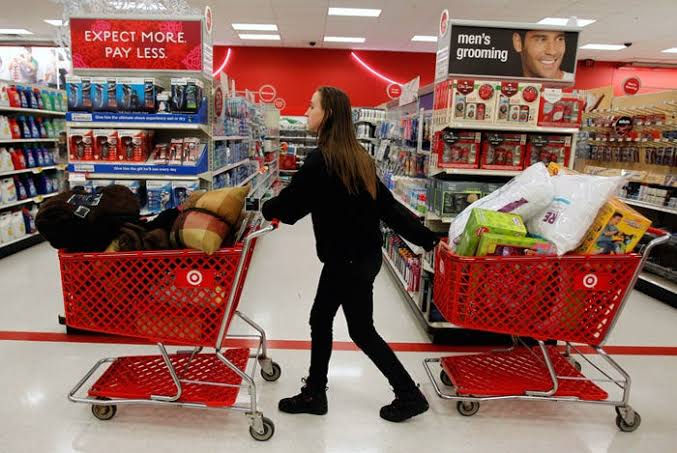
For decades, Target built a retail empire on a simple premise: discount shopping didn't have to feel cheap. By turning a grassroots customer nickname—"Tar-zhay"—into a multi-billion-dollar "Cheap Chic" brand identity, the retail giant made bargain hunting feel like a smart lifestyle flex. But as economic pressures and persistent inflation squeezed consumers, the brand faced an alarming shift: core shoppers were cutting back on discretionary splurges, leaving critics to question if stylish retail could survive a budget-conscious era.
Here is how Target uncovered its customers' evolving friction points and updated its playbook to win them back without losing its brand magic.
The Situation
When Target’s net sales dipped 1.7% in 2023, industry critics began asking a critical question: Is "Tar-zhay" still relevant when consumers are feeling squeezed?
To understand why that dip was so alarming, you have to look at what "Tar-zhay" actually represents.
Back in the 1980s and '90s, discount retail meant dim lighting, chaotic aisles, and unglamorous bargain bins. Shopping at Walmart or Kmart saved money, but for middle-class suburban shoppers, it carried a subtle social stigma. Target was built differently—with wider aisles, brighter lights, and cleaner layouts.
Suburban shoppers noticed and started jokingly pronouncing the store’s name with a soft, faux-French accent: "Tar-zhay." It was a self-deprecating joke that served a clear psychological purpose: “I’m shopping at a discount store, but I still have taste.”
Target listened. Rather than ignoring the joke, leadership embraced it and invented "Cheap Chic."
By launching exclusive partnerships with world-class designers (like Michael Graves in 1999 and Isaac Mizrahi in 2003) alongside its iconic tagline—"Expect More. Pay Less."—Target turned bargain hunting into a fashionable lifestyle flex.
For decades, that formula was unstoppable. But persistent economic pressure and inflation in the 2020s created a new challenge for the "Tar-zhay" identity.
What They Did: Research
Target used research to answer two big questions: how to evolve their brand identity around "Tar-zhay," and how to fix their business when sales stalled recently. They relied on three core methodologies:
Ethnographic & Store Behavioral Studies: Researchers watched how shoppers moved through physical stores, tracking "dwell time" (where people paused), what triggered impulse buys, and where shoppers felt frustrated by store layouts.
Basket Analytics & Purchasing Data: Data teams tracked checkout trends over time to see what items people bought together, spotting exact moments when shoppers cut back on discretionary splurges to focus strictly on basics.
Social Listening & Sentiment Analysis: Target analyzed customer conversations across social media and digital forums, tracking phrases like the "Target Run" to see how shoppers emotionally felt about the brand.
What They Learned: Insights
Target's research uncovered three key consumer insights about their shoppers:
"Chic" Doesn't Matter If the Basics Fail: A stylish sweater or trendy home accent won't save a trip if checkout lines are long, aisles are cluttered, or everyday staples are missing from shelves. Style gets shoppers through the door, but seamless operational execution keeps them coming back.
Value Needs to Be Immediate and Obvious: When budgets get tight, shoppers abandon discretionary items and drift toward discount competitors if they perceive daily essentials to be overpriced. Design appeal loses its power if customers feel they're overpaying for groceries and paper goods.
The "Tar-zhay" Identity Was Still Alive, But Needed Modernizing: Social listening proved that the classic "Tar-zhay" flex was still deeply valued by consumers—people still loved bragging about affordable design. However, brand love alone couldn't overcome inflation. To keep "Tar-zhay" viable, Target had to back up its stylish identity with visible price cuts on everyday staples and effortless curbside pickup.
How They Responded: The Action Plan
Target applied these insights to modernize both its operational footprint and marketing strategy:
Leadership & Operational Execution: Target prioritized store conditions—clearing aisle clutter, modernizing layouts, and investing in floor staff to restore the clean, enjoyable "Target Run" store experience.
Doubling Down on Everyday Value: Expanded private-label grocery (Good & Gather) and beauty lines, while cutting prices on thousands of daily essentials so shoppers could do a full grocery run without leaving for a discount rival.
Scaling Frictionless Convenience: Expanded same-day Drive Up curbside pickup and Shipt delivery, turning physical stores into neighborhood fulfillment hubs that handle over 95% of total orders.
Target Circle Personalization: Scaled its loyalty program to over 100 million members, using first-party data to deliver automatic, personalized app discounts directly to deal-seeking shoppers.
Aligning Marketing & Advertising: Target kept its iconic "Tar-zhay" brand equity—retaining its signature red Bullseye, upbeat pop aesthetic, and reputation for stylish exclusive brands—while completely shifting its message focus. Advertisements pivoted away from aspirational lifestyle splurges to aggressively promote everyday low price points (e.g., $5 essential goods), effortless Drive Up curbside convenience, and automatic Target Circle app savings.
Results
By listening to its audience and updating the "Cheap Chic" playbook, Target proved its identity could adapt to tough economic times:
Return to Growth: Top-line sales rebounded back into positive territory, supported by surging store foot traffic during major sales events.
Multi-Billion-Dollar Private Labels: Exclusive owned brands like Cat & Jack (kids) and Good & Gather (grocery) continue to generate billions in annual sales, proving consumers still value Target's unique design-meets-value mix.
High-Margin Convenience: Same-day services (Drive Up and Pickup) remain Target’s fastest-growing digital segment, significantly lowering last-mile delivery costs while driving high customer satisfaction.
Key Takeaways
The Target story provides some important lessons learned that are instructive for leaders in all categories.
Co-Create with Your Audience: Don't ignore how people talk about your brand. Target didn't invent "Tar-zhay"—their customers did. By embracing the joke and building an entire strategy around it, Target turned customer slang into a multi-billion-dollar brand identity.
Reframe Compromise into a Savvy Choice: Customers hate feeling like they're settling for "less." Target succeeded by turning discount shopping from a budget compromise into a smart lifestyle choice. Look at where your customers feel trade-offs in your industry, and position your brand so choosing you feels like a clever advantage, not a sacrifice.
Protect Your Operational Basics: Clever marketing and cool designs won't save you if your core operations slip. When budgets got tight, Target lost sales because store aisles were messy and everyday staples were out of stock. Customers only returned when Target fixed store execution and lowered everyday prices


Comments