
How Sephora Turned "Sephora Kids" Into a $10B Growth Engine

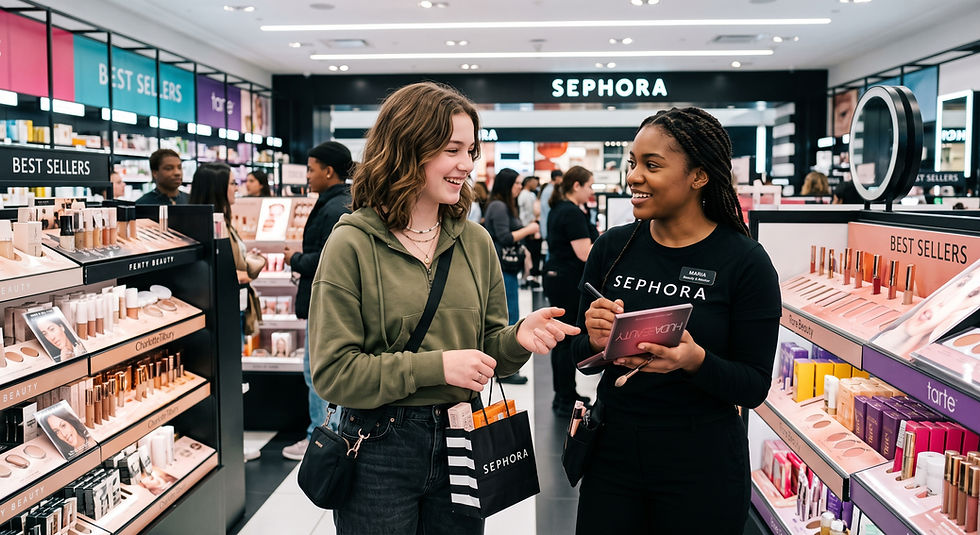
The sudden influx of 10-to-17-year-olds flooding beauty aisles—dubbed the "Sephora Kids" phenomenon on social media—is one of the most unexpected developments in modern retail. While critics initially viewed preteens shopping for $50 serums as an awkward store-management challenge, Sephora recognized a massive business opportunity: Gen Z and Gen Alpha are the fastest-growing spenders in prestige beauty. Rather than turning away these young shoppers, Sephora studied their unique behaviors and transformed physical stores into trial hubs where viral online trends turn into real-world habits.
The Situation
A shift in youth culture created a brand-new type of retail consumer:
Social-Driven Shoppers: Born entirely in the digital age, young shoppers (ages 10–22) learn about products through TikTok, YouTube, and Instagram influencers rather than traditional ads.
Massive Parental-Backed Spending: Gen Z and Gen Alpha tweens collectively influence around $4.7 billion in annual beauty spending. While parents swipe the credit card, the kids decide what goes in the cart.
A Shortage of Youth Hangouts: Traditional clothing malls and youth hangouts have faded, leaving young people with few physical places to gather. Sephora needed to capture this eager young audience without alienating parents or creating chaotic stores.
The Research
To understand this demographic, Sephora used custom research through their own proprietary channels:
Real-World Testing: Operating out of Mission Bay in San Francisco, the Sephora Innovation Lab uses a full-scale model store to test layout changes, interactive shelf displays, and digital screens with live test groups.
App & Loyalty Insights: Sephora tracked real-time app usage, wishlist saves, and barcode scanning across its 30+ million-member Beauty Insider database to spot emerging youth trends early.
Frontline Store Feedback: Head office routinely collected direct observations from store sales associates ("cast members") who watch how parents and kids interact in aisles every day.
What They Learned: Insights
Research revealed four key reasons why this young group behaves the way it does:
Stores double as social hubs. For young teens who can't drive yet, an open, hands-on store acts as a low-pressure space to test viral products with friends.
In-person testing prevents buyer's remorse. Young shoppers fear buying the wrong shade or getting skin reactions. Stores give them a safe place to try products before asking parents to buy them.
Parents are the ultimate gatekeepers. Winning a 13-year-old's interest means nothing if the parent refuses to pay at checkout due to price, safety, or ingredient concerns.
Education beats hard selling. Tweens know trendy ingredients like hyaluronic acid, but parents want clear guidance on what is actually safe for young skin.
What They Did: Action Plan
Sephora built a playbook designed to excite young shoppers while making parents feel completely comfortable:
Spotlighting Safe Brands: Sephora gave prime shelf space to gentle, hydration-focused brands (like Glow Recipe, Tower 28, and Rare Beauty) to ease parental fears about harsh anti-aging chemicals damaging young skin.
Training Staff as Educators: Store advisors ("cast members") were trained to step in and steer young shoppers away from harsh adult active ingredients (like strong retinols or exfoliating acids) toward basic cleansers, lip oils, and sunscreens.
Opening Errand-Friendly Stores: Opening 1,000+ mini-stores inside suburban Kohl's locations placed Sephora right where parents run daily household errands, removing the hassle of long mall trips.
Connecting Digital to Stores: App features let tech-native kids scan shelf tags for reviews while parents link accounts to manage spending and collect reward points.
Results
Has this strategy made money? Yes—the financial data proves it:
#1 Teen Destination: Independent financial research (Piper Sandler’s Taking Stock With Teens survey) explicitly names Sephora as the #1 beauty destination for US teens.
3x to 4x Higher Spending: Customers who visit physical stores spend 3 to 4 times more annually across all channels than online-only buyers, proving physical stores fuel total revenue.
Record Top-Line Revenue: Driven by Gen Z and Gen Alpha engagement, Sephora exceeded $10 billion in annual revenue, with parent company LVMH reporting double-digit organic growth year-over-year.
Key Takeaways
You don't need to be in the prestige beauty business for the Sephora story to be instructive.
Know When Customers Need to Try Before They Buy: Physical retail isn't dying, but boring stores that only hand over boxes are. If buying your product carries real guesswork—like needing the exact right shade, feeling a texture, or trying something on—a physical store isn't just a pickup spot; it's the place where customers build the confidence to buy.
Design for Both the User and the Person Paying: Whenever the person using your product isn't the one holding the wallet, the experience should make both people happy at the same time. You should make it fun and exciting for the user, while giving the buyer the safety, clear pricing, and control they need. This is true in so many categories:
B2B Software: Developers (users) want fast, easy tools, while IT bosses (buyers) want security and budget controls.
Gaming & Tech: Kids (users) want the newest games, while parents (buyers) want screen-time limits and spending caps.
Pet Care: Dogs (users) want tasty treats, while pet owners (buyers) want healthy, safe ingredients.
Train Your Staff to Help, Not Just Push Products: When customers are spending real money on their health, skin, or family, aggressive sales pitches backfire. When store employees take the time to teach customers—even telling them not to buy something that isn't right for them—it creates deep trust that keeps people coming back for years.
Start Building Relationships Early: The habits and favorite brands people pick up in their preteen and teenage years often stick around for life. Treating younger shoppers with respect today builds an easy bridge to long-term customer loyalty as their own buying power grows.
Ultimately, Sephora’s success proves that when you respect young consumers and design for their real-world habits, today's viral youth trend becomes tomorrow's lifelong customer.


Comments